Building an Accessory Dwelling Unit (ADU) in Honolulu can be a rewarding venture. It offers additional living space and potential rental income. However, the process of obtaining an ADU permit can be complex.
Understanding Honolulu’s zoning laws is crucial. These laws dictate where and how you can build an ADU. They ensure that new constructions align with the city’s planning goals.
The application process involves several steps. From gathering necessary documents to submitting your application, each step requires careful attention. Consulting with professionals like architects or contractors can be beneficial.
The Honolulu Department of Planning and Permitting (DPP) plays a key role. They review applications and ensure compliance with local regulations. Familiarizing yourself with their requirements can streamline the process.
This guide will walk you through each step. It will provide insights into eligibility criteria, documentation, and potential challenges. By the end, you’ll be well-equipped to apply for an ADU permit in Honolulu.
What Is an Accessory Dwelling Unit (ADU)?
An Accessory Dwelling Unit (ADU) is a secondary housing unit on a single-family lot. It is independent of the primary home and equipped with essential amenities.
ADUs offer flexibility for various living arrangements. They provide housing options for extended family, guests, or even renters. These units can be attached or detached from the main house.
Key characteristics of ADUs include:
- Private living, sleeping, and cooking spaces.
- Separate entrance from the main house.
- Smaller in size compared to the primary home.
ADUs are increasingly popular in urban areas like Honolulu. They help address housing shortages and promote sustainable living. Whether for family expansion or rental income, ADUs can be a smart investment.
Benefits of Building an ADU in Honolulu
Building an ADU in Honolulu offers numerous benefits. These units provide versatile housing solutions and can enhance a property’s value. Homeowners find ADUs to be a practical investment.
ADUs contribute to addressing housing shortages. They offer affordable living options for families and renters, helping ease urban living pressures. This makes them an attractive choice in dense cities.
Key benefits include:
- Additional rental income potential.
- Accommodations for extended family or aging parents.
- Increased property value and marketability.
Creating an ADU also supports sustainable development. It utilizes existing infrastructure, reduces urban sprawl, and can be designed to be energy efficient. These factors make ADUs an excellent choice for modern homeowners.
Overview of Honolulu Zoning Laws for ADUs
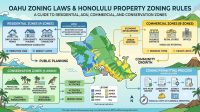
Honolulu’s zoning laws play a critical role in the development of ADUs. These laws determine where and how ADUs can be constructed. It is crucial to understand these regulations to ensure compliance.
Zoning laws outline specific requirements for different neighborhoods. Factors like lot size, setback rules, and height restrictions are included. Understanding these parameters helps in the planning phase of your ADU project.
Important zoning considerations include:
- Lot Size: Minimum lot size requirements may apply.
- Setbacks: Regulations on the distance from property lines.
Honolulu’s zoning ordinances also address design and aesthetics. This ensures that new structures harmonize with existing neighborhood characteristics. Such regulations foster community acceptance and maintain visual standards.
Further regulations may include:
- Height Limits: Restrictions on structure height.
- Parking: Provisions for off-street parking spaces.
Adhering to Honolulu zoning laws is essential. Non-compliance can result in fines or construction delays. Before starting, consult the Department of Planning and Permitting for detailed guidance.
Eligibility Criteria for an ADU Permit in Honolulu
To secure an ADU permit in Honolulu, specific eligibility criteria must be met. These criteria ensure that only suitable properties are developed with ADUs. Understanding these criteria is the first step in the application process.
Key eligibility requirements include:
- Property Ownership: The applicant must own the property.
- Zoning Compliance: The property must comply with zoning laws.
- Existing Structures: An ADU cannot already exist on the property.
Additional considerations involve neighborhood characteristics and infrastructure. Properties should have sufficient space for new construction. Moreover, they must have access to utilities and infrastructure capable of supporting an ADU.
Meeting these criteria is crucial for a successful application. Ensure all conditions are thoroughly reviewed and addressed. This preparation minimizes potential setbacks and expedites the permitting process.
Step-by-Step Guide: How to Apply for an ADU Permit in Honolulu
Applying for an ADU permit in Honolulu involves several crucial steps. Each step requires attention to detail to ensure a smooth process. Let’s explore this comprehensive step-by-step guide.
Step 1: Research and Preparation
Begin by understanding Honolulu’s zoning laws. Verify if your property qualifies for an ADU. Conduct a thorough feasibility study.
Step 2: Engage Professionals
Consult with architects or contractors for design insights. Their expertise is invaluable in drafting plans that comply with local regulations. Engage them early to streamline the process.
Step 3: Develop Your ADU Plan
Create detailed architectural plans. Ensure these designs align with Honolulu’s size and design requirements. Proper planning here is critical for approval.
Step 4: Gather Required Documentation
Compile necessary paperwork for submission. This includes property deeds, design plans, and ownership proof.
Here’s a checklist for documentation:
- Property deeds
- Architectural plans
- Proof of ownership
Step 5: Submit Your Application
Submit your complete application to the Honolulu Department of Planning and Permitting (DPP). Ensure all documents are in order. Follow up promptly on any feedback.
Step 6: Review and Adjustments
Be prepared to make adjustments as per DPP feedback. Quick responses can speed up the approval.
Step 7: Permit Approval and Next Steps
Once approved, begin construction as per the approved designs. Schedule inspections as required.
Step 8: Construction and Final Inspections
Proceed with the construction, adhering to submitted plans. Final inspections will ensure compliance with building codes.
By following these steps meticulously, you’ll navigate the ADU permit process with ease. Each phase requires careful management, so stay organized and proactive throughout.
Required Documentation for Your ADU Permit Application
Securing an ADU permit in Honolulu requires careful preparation of documents. The accuracy and completeness of these documents are crucial for a swift application process. The Honolulu Department of Planning and Permitting (DPP) will review each piece carefully.
Here’s a list of essential documents typically required:
- Property title or deed
- Detailed architectural plans
- Site plan displaying setbacks and proposed ADU location
- Proof of property ownership
- Relevant permits, like sewer connection permits
Ensure each document is up-to-date and reflects any property changes. It’s wise to double-check each form for completeness before submission. Doing so minimizes the likelihood of delays, leading to a more efficient approval process. Proper document management is key for a successful ADU permit application.
Understanding ADU Size, Design, and Building Requirements
Designing an ADU in Honolulu involves adhering to strict size and design requirements. These standards ensure safety and harmony within residential neighborhoods. Failing to comply can lead to costly redesigns or denied applications.
The city sets specific maximum sizes for ADUs to maintain neighborhood character. Typically, an ADU should not exceed 800 square feet. However, the actual allowable size depends on the lot’s size and existing structures.
Key design considerations include:
- Minimum ceiling height requirement
- Compliance with setback regulations
- Design integration with the main dwelling
- Adequate natural light and ventilation
Each of these elements plays a role in meeting Honolulu’s building codes. Consulting with an experienced architect can ensure the ADU meets all required specifications. This professional input is invaluable for aligning your project with the city’s aesthetic and structural standards.
Utility Connections and Infrastructure Considerations
Connecting your ADU to utilities is a crucial part of the construction process. These connections include water, sewage, electricity, and internet. Planning for these utilities at the outset helps to avoid delays.
It’s important to account for infrastructure constraints when planning your project. Existing systems must accommodate the additional load from the ADU. Consult with utility providers to ensure compliance with local regulations and optimize connection efficiency.
Consider these essential utility factors:
- Existing capacity and potential upgrades
- Connection fees and permits
- Options for sustainable utilities (e.g., solar panels)
Timeline and Costs for the ADU Permit Process
Applying for an ADU permit in Honolulu involves several steps, each taking time. Understanding the timeline can help you plan your project effectively. Typically, the entire process can take several months from application to approval.
Costs associated with the ADU permit process can vary significantly. Expenses include application fees, consultant charges, and potential system upgrades. Budgeting carefully and anticipating costs ensures a smoother process.
Key factors impacting timeline and costs:
- Complexity of the design
- Need for additional studies or reports
- Permit application fees and related costs
Consider consulting with professionals to get accurate estimates and avoid unexpected expenses.
Common Challenges and How to Overcome Them
Applying for an ADU permit in Honolulu can present challenges. However, knowing common issues helps you plan effectively. Often, applicants face delays due to incomplete documents or zoning compliance problems.
Overcoming these challenges requires diligence and preparation. Consulting with experts early on can prevent setbacks. Being familiar with the requirements and double-checking documents before submission can save you time.
Here are some common challenges and solutions:
- Incomplete Applications: Double-check all required forms.
- Zoning Issues: Understand local zoning laws.
- Design Adjustments: Work with an experienced architect.
Identifying and addressing these challenges early makes the process smoother and less stressful.
Working with Professionals: Architects, Contractors, and the DPP
Collaboration with professionals is vital when applying for an ADU permit in Honolulu. Architects and contractors can navigate complex regulations. They ensure your design aligns with zoning laws and technical standards.
The Honolulu Department of Planning and Permitting (DPP) plays a critical role too. Engaging with them early can expedite your application. They can provide guidance on specific requirements and potential hurdles.
Here’s how working with professionals can aid your process:
- Architects: Ensure compliance with design requirements.
- Contractors: Manage construction and timelines.
- DPP Officials: Offer insight into zoning and permit issues.
Navigating Community Input and Neighborhood Concerns
Engaging with your community is crucial when planning an ADU in Honolulu. Neighbors can have concerns about new developments. Addressing these early helps foster goodwill and avoid conflicts.
Consider holding informal meetings to discuss your plans. Listen to any worries they might raise. This proactive approach can minimize opposition and build support for your project.
Key strategies to address community concerns include:
- Clear Communication: Share detailed plans.
- Active Listening: Address specific concerns.
- Transparency: Be open about timelines and impacts.
Ensuring Compliance with Honolulu Building Codes and Regulations
Adhering to Honolulu’s building codes is a key part of your ADU project. These regulations ensure safety and sustainability. It’s vital to be aware of the specifics before construction begins.
Consult the Honolulu Department of Planning and Permitting for detailed guidelines. Double-check your designs and materials for compliance. Non-compliance can lead to costly delays or rework.
Steps to ensure compliance:
- Consult Professionals: Work with architects familiar with local codes.
- Review Plans: Align with all zoning and building rules.
- Perform Regular Checks: Conduct inspections at key stages.
Tips for a Successful ADU Permit Application
Successfully navigating the ADU permit application process in Honolulu requires preparation and attention to detail. Thoroughly understanding the requirements and procedures will save time and prevent mistakes.
Here are some tips to guide you:
- Research Thoroughly: Familiarize yourself with Honolulu’s ADU guidelines.
- Prepare Documents Early: Gather all necessary paperwork in advance.
- Consult Professionals: Seek advice from architects or contractors with experience.
- Engage with Neighbors: Communicate and address any concerns early on.
Being proactive and organized increases your chances of a smooth approval process.
Recent Changes and Updates to Honolulu’s ADU Regulations
Honolulu’s ADU regulations are continuously evolving to address the growing housing needs. Staying updated on the latest changes is essential for any homeowner interested in building an ADU.
Here are some recent updates:
- Size Restrictions Adjusted: New limits on square footage.
- Streamlined Permit Process: Reduced paperwork for faster approvals.
- Revised Setback Requirements: More flexibility in building placement.
Keeping informed about regulatory changes can help ensure compliance and expedite your project. Regularly check the Honolulu Department of Planning and Permitting (DPP) for announcements.
Resources and Contacts for ADU Applicants in Honolulu
Navigating the ADU permit process can be complex. Fortunately, several resources are available to help guide you.
Key resources include:
- Honolulu Department of Planning and Permitting (DPP)
- Local Workshops and Information Sessions
- Online Guides and Checklists
For personalized assistance, reaching out directly to the DPP can provide additional support. They offer detailed guidance and clarify any questions regarding ADU permits.
Frequently Asked Questions About ADU Permits in Honolulu
Many homeowners have questions about the ADU permit process. Understanding common inquiries can aid in a smoother application experience. Here are some frequently asked questions:
- What is the typical permit processing time?
- Are there design restrictions for ADUs?
- Can ADUs be rented out legally?
These questions cover the basics. For more detailed answers, consulting with the Honolulu Department of Planning and Permitting (DPP) is recommended. They provide specifics that can help you avoid common pitfalls and ensure compliance.
Conclusion: Making the Most of Your ADU Project in Honolulu
Embarking on an ADU project in Honolulu can be rewarding. With careful planning and attention to detail, your project can enhance both personal and community value. ADUs are more than just structures; they can contribute significantly to housing solutions and neighborhood vitality.
Remaining informed about zoning laws and permit requirements is crucial. Collaborate with professionals for guidance at each step. By doing so, you ensure your project not only complies with regulations but also enriches your living environment.