Oahu is an amazing place to build or remodel—but it’s also one of the easiest places to accidentally run into permitting and inspection trouble. Between tight lots, coastal exposure, older housing stock, and strict life-safety rules, many projects end up with the same repeat issues: paperwork gaps, “minor” changes made mid-project, and workmanship that doesn’t match what was approved. This guide breaks down common building code violations Oahu inspectors see, why they matter, and the most practical ways to avoid delays, rework, and penalties.
A quick note on codes, permits, and who enforces what on Oahu
When people say Oahu building codes, they’re usually referring to a mix of:
- Statewide Hawaii construction laws (including adopted model codes and state requirements), and
- County/local enforcement and amendments (especially in the City & County of Honolulu).
In practice, many headaches show up as Honolulu building code violations—not because the work is “bad,” but because it doesn’t match the permitted plans, required inspections weren’t scheduled, or trade work wasn’t done by the right license category.
Homeowner vs contractor: who’s responsible?
A common misconception is that “the contractor handles everything.” In reality, homeowner vs contractor code responsibility Hawaii is shared:
- Owners are responsible for ensuring work is permitted and compliant (and that contractors are properly licensed/insured).
- Contractors are responsible for performing work to code, calling for inspections, and building per approved plans.
If a violation is discovered later (during sale, refinance, or a complaint), both parties can feel the impact—especially if there’s unpermitted construction Oahu penalties attached.
1) Work started without permits (or with the wrong permits)
This is one of the biggest and most expensive categories of violations. Many owners assume small jobs are “repair and replace” and don’t need permits—until the scope crosses into regulated work.
Common triggers
- Converting a carport to a room
- Removing/adding walls (even partial) or changing window/door openings
- Major bathroom/kitchen remodels with plumbing re-route
- Electrical upgrades, subpanels, or new circuits for split A/C
- Decks, retaining walls, and fences that exceed thresholds
- Building or converting an ADU without approvals
How to avoid it (use this as your Oahu permit requirements guide)
- Define the scope in writing before demolition.
- Ask your contractor (and verify) which permits are required for building, electrical, plumbing, and grading.
- Keep approved plans and permit cards accessible on-site.
How to check building permits in Honolulu (before you buy or remodel)
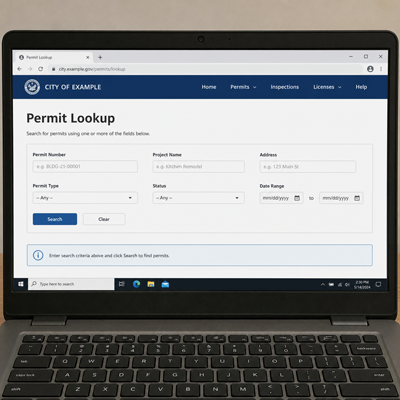
If you’re taking over a property or planning a renovation, verify the permitting history early. Knowing how to check building permits Honolulu can help you avoid inheriting violations and stop-work orders.
- Collect the property’s Tax Map Key (TMK) and address.
- Check the City & County of Honolulu Department of Planning and Permitting (DPP) permit records/portal (or request records if needed).
- Confirm the permit is finaled (not just “issued”).
If records don’t match what’s built, plan for a legalization process and budget for corrective work.
2) Building something different from the approved plans (“field changes”)
Even permitted projects fail when the actual build drifts from the approved set. On Oahu, tight site constraints make this especially common.
Examples
- Windows moved to avoid a beam
- Door changes that affect egress
- Added plumbing fixtures in a bathroom
- A slightly larger deck or roof overhang
- Structural members changed due to availability
Why it becomes a violation Inspectors are checking for compliance with the approved documents, not just general workmanship. Unapproved changes can force redesign, re-engineering, or partial tear-out.
Avoidance strategy
- Require that any change is documented with a written change order.
- Ask the designer/engineer whether it needs a revision.
- Don’t “just do it and ask forgiveness”—that often causes delays.
3) Setback and zoning violations near property lines
Setback violations Oahu property lines are common because lots can be narrow and boundaries aren’t always visually obvious. A fence, shed, addition, or deck can unintentionally encroach.
Common problems
- Building too close to side or rear yards
- Over-height walls or fences
- Encroachments into easements or shoreline/other overlays
How to avoid it
- Get a current survey (or at minimum confirm boundary markers).
- Use batter boards/strings to mark the footprint before forms are poured.
- Ask your architect/permit runner to confirm zoning constraints early.
4) Illegal or unsafe electrical work
Electrical issues are among the most serious top safety code violations Hawaii because they create real fire and shock hazards.
Illegal electrical wiring Hawaii signs
Watch for these red flags:
- Flickering lights when appliances start
- Warm outlets, buzzing switches, or burning smells
- Extension cords used as permanent wiring
- Open junction boxes or splices outside boxes
- Mixed wire sizes on the same circuit without proper protection
- DIY subpanels, double-tapped breakers, or missing breaker labeling
What fails a building inspection Oahu (electrical)
- Missing GFCI/AFCI protection where required
- Improper bonding/grounding
- Unsupported cables, improper staples, or damage to insulation
- Junction boxes buried behind drywall
- Incorrect conductor sizes or over-fused circuits
- Unpermitted added circuits for A/C, EV chargers, or renovations
How to avoid it
- Use licensed electrical contractors for panel work and new circuits.
- Do not close walls until rough inspection is passed.
- Keep manufacturer cut sheets for specialty equipment available.
5) Noncompliant plumbing and drain/vent issues
Plumbing violations often don’t show until inspections—or worse, after the walls are closed and there are leaks or slow drains. Noncompliant plumbing code Hawaii issues commonly involve venting, slope, and fixture connections.
Common failure points
- Incorrect drain slope (too flat or too steep)
- Venting mistakes (missing vents, incorrect ties, wet vent issues)
- Improper trap configuration or trap arm lengths
- Undersized supply lines for added fixtures
- Poorly installed shower pans or waterproofing transitions
Avoidance strategy
- Require a water test/pressure test where applicable before covering.
- Photograph rough-in plumbing and keep photos with the permit file.
- Use products and methods consistent with the approved plans and inspector expectations.
6) Waterproofing failures in bathrooms, lanais, and exterior transitions
Oahu’s climate makes moisture management non-negotiable. Waterproofing isn’t just “nice to have”—it’s often the difference between a durable remodel and a mold/rot problem.
Common violations and practical causes
- Missing or incorrect waterproof membrane installation
- Inadequate slope to drains in showers or exterior surfaces
- Penetrations through waterproofing without proper sealing
- Poor flashing at doors leading to lanais/decks
Tips to avoid rework
- Ask for a documented waterproofing system (manufacturer + installer method).
- Schedule inspections at the correct stages (before tile, before finishes).
- Don’t rush: waterproofing cure times matter.
7) Structural and framing shortcuts (especially in remodels)
Remodels create hidden structural risks: removing walls, notching/drilling framing, or cutting members to fit new plumbing/electrical.
Typical structural violations
- Notching/drilling joists beyond allowable limits
- Under-sized beams or missing posts/footings
- Inadequate connectors, straps, or hold-downs
- Improper shear wall nailing patterns or missing panels
Avoidance strategy
- Assume any wall might be load-bearing until verified.
- Keep the engineer involved when surprises are uncovered.
- Don’t substitute connectors or fasteners “because it’s close enough.”
8) Egress and life-safety problems (doors, windows, stairs, rails)
Life-safety items are frequent inspection fail points. They often come down to dimensions and clearances that are easy to miss.
Common issues
- Stair rise/run inconsistencies
- Missing or incorrect handrails/guardrails
- Door or window egress requirements not met (especially bedrooms)
- Security bars or window types that block emergency escape
Practical tip Use a checklist and measure twice before ordering stairs/rails/windows. If you’re unsure, confirm early with the designer or inspector—fixing stairs after installation is painful.
9) ADU and conversion mistakes
Accessory Dwelling Units and conversions are popular, but they’re also a hotspot for violations. ADU code requirements Honolulu can be complex, and many “quick conversions” end up flagged for unpermitted work, egress, fire separation, or utility requirements.
Common ADU/conversion problems
- Illegal kitchen additions or second kitchens without approvals
- Inadequate fire separation between units
- Improper parking, access, or utility metering assumptions
- Bedroom egress or ceiling height issues
Avoidance strategy
- Treat an ADU like a full project: design, permits, and staged inspections.
- Confirm utility and addressing requirements early.
- Don’t rely on “other people did it” as your compliance plan.
10) Final inspection failures: the “punch list” that keeps permits open
Many projects stall at the end because final approvals require every trade to be complete and safe—not “almost done.”
What fails a building inspection Oahu at the final
- Missing smoke/CO alarms or improper locations
- Missing safety labels, access panels, or equipment clearances
- Unfinished handrails/guards or loose stair components
- Exterior grading/drainage issues causing water to flow toward the house
- Unresolved corrections from earlier inspections
- Missing finals from electrical/plumbing when building final is requested
How to avoid it
- Track every inspection sign-off; don’t assume it’s recorded.
- Keep a shared checklist with your GC and subcontractors.
- Schedule a pre-final walkthrough with your contractor and fix obvious items first.
Penalties, fines, and the real cost of ignoring violations
People often focus on “Can I get away with it?” The better question is “What happens if I can’t?”
Potential consequences can include:
- Stop-work orders and re-inspection fees
- Mandatory demolition or exposure of concealed work
- Difficulty selling or refinancing (buyers/lenders ask about permits)
- Higher insurance risk or denied claims in extreme cases
- Building code violation fines Honolulu and costs tied to legalization
If you suspect past unpermitted work, consult a qualified professional early. Legalizing can be very doable, but it’s rarely cheaper after a complaint or a failed sale escrow. This is where unpermitted construction Oahu penalties can stack up quickly—especially if multiple trades were involved.
How to fix code violations in Honolulu: a practical path
When someone asks how to fix code violations Honolulu, the fastest route usually looks like this:
- Identify the scope: What exactly is noncompliant (and what is undocumented)?
- Stop concealment: Don’t close walls until you have a plan.
- Bring in the right pros: Designer/engineer for structural changes; licensed electricians/plumbers for trade issues.
- Create an as-built plan (when required): Document what exists and what must change.
- Apply for the correct permits and schedule inspections in sequence.
- Correct, re-inspect, and close out to final.
Tip: Keep all photos, receipts, cut sheets, and contractor licenses in a project folder. It helps resolve questions quickly.
Choosing inspectors and getting ahead of problems
Even good contractors can miss details. Independent inspection can catch issues before the official inspection does—saving time and rework.
When evaluating best Oahu building inspector services, look for:
- Clear reporting with photos and code-referenced notes
- Experience with renovations, ADUs, and older homes
- Willingness to coordinate with contractors (without “fighting” them)
- A practical approach: identify severity and priority, not just a long list
Remember: a private inspector doesn’t replace required county inspections, but they can reduce surprises.
Quick checklist: prevent the most common violations
Use this as a pre-project filter for Hawaii residential building code basics and compliance discipline:
- Confirm permit needs before demo (building + electrical + plumbing)
- Verify property lines/setbacks before pouring concrete or framing
- Don’t bury junction boxes or plumbing connections behind finishes
- Photograph rough-in work and keep documentation
- Follow approved plans; document and revise when changes happen
- Schedule inspections at the right stages; don’t rush close-in
- Treat ADUs/conversions as full-permit projects
Takeaway
Most common building code violations Oahu are preventable: they come from skipping permits, drifting from approved plans, or rushing rough-in work before inspections. If you plan your permits up front, verify boundaries, hire licensed pros for trade work, and use staged checklists, you’ll dramatically reduce delays and avoid the most costly top safety code violations Hawaii—while protecting your home’s value and your peace of mind.