Navigating short-term rental regulations in Oahu can be complex. The Department of Planning and Permitting (DPP) oversees these rules. Understanding these regulations is crucial for property owners and renters alike.
Short-term rentals are defined as stays under 30 days. They play a significant role in Oahu’s tourism economy. However, they also impact the local housing market.
The DPP enforces strict compliance rules. These rules aim to balance tourism with community needs. Violations can lead to hefty fines and penalties.
There are two main types of permits: Bed and Breakfast (B&B) and Transient Vacation Units (TVUs). Each has specific requirements and restrictions.
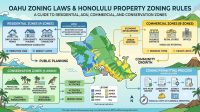
Zoning laws dictate where short-term rentals can operate. These laws are designed to protect residential areas.
Staying informed about these regulations is essential. This guide will help you understand the essential DPP compliance rules.
Understanding Oahu Vacation Rentals and DPP Oversight
Oahu vacation rentals contribute significantly to the island’s tourism industry. They provide flexible lodging options for tourists and offer income opportunities for homeowners. However, the rising number of such rentals has posed challenges for the local housing market.
The Department of Planning and Permitting (DPP) is responsible for regulating these rentals. Their primary aim is to ensure balance between tourist accommodations and community welfare. By implementing regulations, the DPP seeks to address both economic and social impacts of vacation rentals.
DPP oversight involves regular inspections and strict adherence to rules. Property owners must comply with zoning laws and obtain necessary permits. They must also ensure their listings meet health and safety standards.
Key components of DPP’s regulatory approach include:
- Issuing permits for rentals
- Enforcing zoning restrictions
- Conducting inspections for compliance
- Imposing fines for violations
Such measures are in place to control the proliferation of short-term rentals in residential areas. They aim to preserve the community’s quality of life while supporting the local economy.
What Qualifies as a Short-Term Rental in Oahu?
In Oahu, short-term rentals are defined by specific criteria. Primarily, these rentals are those leased for less than 30 consecutive days. This definition distinguishes them from long-term leasing arrangements, which typically involve longer durations.
The term “short-term” captures a diverse range of property uses. These include popular vacation homes and smaller units rented out on platforms like Airbnb. Not all properties qualify under this category, however.
To operate legally, owners must adhere to established guidelines. Understanding these rules helps avoid potential legal complications. The regulations set by the DPP categorize these properties as:
- Bed and Breakfast Homes (B&B)
- Transient Vacation Units (TVU)
Clarifying these categories ensures owners choose the correct operational path. This distinction impacts permit requirements and compliance duties. Consequently, landlords must carefully consider their rental intentions and adhere to prescribed definitions and rules.
Types of Permits: Bed & Breakfasts vs. Transient Vacation Units
When it comes to short-term rental permits in Oahu, there are two main types to consider. The first is the Bed and Breakfast (B&B) permit. This option requires the homeowner to reside on the property. It’s an ideal choice for those who wish to host guests while living onsite.
The second type of permit is for Transient Vacation Units (TVUs). Unlike B&Bs, TVUs do not necessitate the owner’s presence on the property. This flexibility allows owners to lease entire homes or units without needing to live there.
Understanding the differences between these permits is crucial. It influences eligibility, application processes, and compliance responsibilities. Property owners must be aware of zoning laws and local regulations that apply to each type.
The Department of Planning and Permitting (DPP) has outlined specific criteria for both permits:
- Owner residence required for B&B.
- TVUs allow for absentee ownership.
- Different zoning requirements.
Choosing the correct permit impacts both operation and compliance. It is vital to assess your property’s suitability before applying.
Zoning and Location Restrictions for Oahu Vacation Rentals
Zoning laws play a significant role in determining where you can legally operate a short-term rental in Oahu. The Department of Planning and Permitting (DPP) enforces these restrictions to maintain community balance and manage tourism impact.
Most residential areas have tight controls on vacation rentals. It’s critical to check the zoning designation of your property. Only specific zones allow for short-term rental activity. These usually include resort, mixed-use, or apartment zones.
Property owners must ensure compliance with zoning laws. This includes understanding any exceptions or special permits that may apply to their location. Breaching zoning regulations can result in hefty fines or permit revocation.
The DPP provides a detailed zoning map to help determine your property’s eligibility. Always verify zoning compliance before applying for a short-term rental permit.
Here are key zoning considerations:
- Residential zones have limited allowances.
- Resort districts commonly permit short-term rentals.
- Check for any overlay districts.
Always consult the latest regulations or seek professional advice to ensure full compliance with Oahu’s zoning laws.
The Permit Application Process: Steps, Fees, and Documentation
Navigating the permit application process for short-term rentals in Oahu requires attention to detail. The Department of Planning and Permitting (DPP) outlines specific steps that applicants must follow to obtain a legal permit.
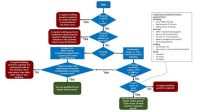
First, determine which type of permit your property requires: a Bed and Breakfast (B&B) or a Transient Vacation Unit (TVU). Each type comes with distinct regulations and prerequisites. Once you know your category, gather the required documentation. This typically includes proof of property ownership, detailed site plans, and compliance forms.
Expect to pay application fees, which vary based on the permit type. These fees help cover administrative costs and ensure proper processing. Additional costs might arise if your application requires public hearings, often necessary for TVUs.
Submitting the application can be done through the DPP’s online portal. However, some applicants may prefer to visit the DPP office for assistance. After submission, the DPP reviews the documentation, which might include an inspection to verify compliance with housing standards.
Here are key steps in the application process:
- Identify permit type: B&B or TVU
- Gather necessary documents
- Pay application fees
- Submit application online or in person
Understanding these steps ensures your short-term rental operates within Oahu’s legal framework.
Essential DPP Compliance Rules for Short-Term Rentals
Compliance with DPP regulations is crucial for anyone operating short-term rentals in Oahu. The rules are detailed to ensure the interests of both the community and property owners are protected.
All short-term rental operators must prominently display their permit numbers in every advertisement. This transparency helps distinguish legal rentals from illicit ones. Failure to comply with this requirement can result in fines.
Owners need to maintain records of guests and rental duration. Keeping detailed logs assists in audits and inspections. This record-keeping is a legal obligation, not just a best practice.
Routine inspections by the DPP verify adherence to health and safety standards. Properties must meet specific requirements to pass these checks. Any lapses might lead to penalties and even permit revocation.
Zoning restrictions determine where rentals can legally operate. Violating zoning rules can jeopardize a property’s permit status. Owners must ensure their property falls within an approved zone for short-term rentals.
Finally, the DPP expects owners to adhere to local noise and community conduct regulations. Failing this can disturb neighbors and lead to complaints.
Key compliance rules include:
- Displaying permit numbers in ads
- Keeping guest records
- Passing regular health and safety inspections
- Adhering to zoning restrictions
- Following local noise regulations
By following these guidelines, property owners contribute positively to Oahu’s tourism landscape.
Advertising and Display Requirements for Legal Rentals
Proper advertising is essential for legal short-term rentals in Oahu. Every property owner must ensure they follow the designated guidelines to avoid penalties. The rules set by the DPP are strict and require diligent adherence.
All advertisements for short-term rentals must include the permit number. This requirement applies to every kind of promotional material, both online and offline. Displaying this number ensures transparency and verifies the legality of the rental.
It’s important to avoid misleading information in advertisements. Claims about rental features or capacities must be accurate. False advertising can lead to complications and distrust among potential renters.
Essential advertising requirements include:
- Displaying the permit number prominently
- Ensuring accuracy in all promotional material
- Avoiding false claims about property features
Legal advertising keeps your operation above board and builds trust with potential guests.
Tax Obligations: TAT, GET, and Local Surcharges
Owning a short-term rental in Oahu comes with specific tax obligations. These taxes are crucial for compliance and maintaining legality. Understanding and fulfilling these requirements prevent potential issues.
The Transient Accommodations Tax (TAT) applies to all short-term rental operations. This tax is levied on the gross rental proceeds. It’s important for property owners to know the rate and remit payments timely.
In addition to the TAT, the General Excise Tax (GET) is applicable. The GET covers all income generated from short-term rentals. Proper filing of this tax is essential for staying compliant with state laws.
Local surcharges may also apply depending on the property’s location. Each jurisdiction can implement additional charges, emphasizing the need for awareness. Property owners must stay informed about varying local regulations.
Essential tax obligations include:
- Transient Accommodations Tax (TAT)
- General Excise Tax (GET)
- Potential local surcharges
Health, Safety, and Insurance Requirements
Ensuring the health and safety of guests is paramount in Oahu’s short-term rental market. Property owners must comply with local health standards. These standards aim to protect both the guests and the larger community.
Fire safety is a key focus area. Properties must have functioning smoke detectors. Regular inspections to ensure equipment meets the guidelines are necessary.
Equally important, insurance coverage is essential for liability protection. Owners should consider policies that cover potential guest injuries. This safeguard helps mitigate financial risks associated with rental operations.
Additionally, rentals must adhere to building codes. This includes structural safety, adequate emergency exits, and utilities standards. Compliance with these codes assures guests of a safe stay.
Some key requirements are:
- Functioning smoke detectors
- Comprehensive insurance coverage
- Adherence to building safety codes
Fines, Penalties, and Enforcement Actions
Non-compliance with Oahu’s short-term rental regulations can result in significant penalties. The Department of Planning and Permitting (DPP) strictly enforces these rules. Violations are taken seriously to ensure fair practices in the rental market.
Fines can be steep, deterring unlawful operations. They serve as a financial warning to those not adhering to regulations. The emphasis is on maintaining legal rental operations.
Enforcement actions include more than just fines. Repeat offenders risk losing their rental permits. This loss can severely impact property owners’ ability to conduct business.
Legal actions may also follow persistent violations. These actions are essential to maintaining the integrity of Oahu’s rental laws. They help protect community interests and uphold housing standards.
Potential consequences include:
- Substantial fines
- Permit revocation
- Legal proceedings
For property owners, understanding the risks of non-compliance is vital. Staying informed helps avoid unwanted penalties and actions.
Renewal, Inspections, and Ongoing Compliance
Maintaining compliance in Oahu’s rental market is not a one-time task. Permits for short-term rentals need regular renewal. This ensures that property owners continuously meet the necessary standards.
The Department of Planning and Permitting (DPP) conducts routine inspections. These inspections are a part of their effort to uphold rental law compliance. Inspections help verify that properties adhere to safety and zoning requirements.
Ongoing compliance requires vigilance and responsibility. Property owners should keep updated with any changes in legislation. Regular renewal and prompt inspections enhance the property’s legal standing.
Key aspects of ongoing compliance include:
- Timely renewal of permits
- Cooperation with DPP inspections
- Adherence to updated regulations
Staying proactive in these areas prevents non-compliance issues. It also contributes to a positive rental environment for all involved.
Community Impact and the Future of Oahu Rental Laws
Short-term rentals significantly affect the local community in Oahu. They provide economic benefits but can also pressure the housing market. Balancing these effects is a central aim of rental regulations.
The community’s input is essential in shaping rental laws. Regulations are often adapted based on resident feedback and concerns. This ensures that the community’s needs and quality of life are respected.
As Oahu’s rental laws evolve, future regulations may include:
- Stricter zoning restrictions
- Enhanced community engagement processes
- Innovative solutions to housing challenges
By considering community interests, Oahu aims to maintain a sustainable tourism industry and healthy living environment.
Resources and Where to Get Help
Navigating Oahu’s rental regulations can be complex. Fortunately, several resources are available to assist property owners and renters.
For further guidance, you can consult these options:
- Visit the DPP website for official updates
- Attend DPP workshops and seminars
- Speak with local legal experts for personalized advice
Utilizing these resources can help ensure compliance and foster understanding of the rental landscape in Oahu.
Conclusion: Staying Compliant and Informed in Oahu’s Evolving Rental Market
Keeping up with Oahu’s rental regulations is essential for property owners and renters alike. The rules ensure fair play and protect both tourists and residents.
Staying informed about changes can prevent costly mistakes. Engage with the resources available and follow DPP updates. Remaining proactive will help navigate the complexities of Oahu’s evolving rental landscape successfully.