Honolulu’s older homes are some of the most valuable (and vulnerable) pieces of Oʻahu’s built history—plantation-era cottages, mid-century modern gems, and classic Hawaiʻi bungalow streetscapes. But once you own or plan to buy one, you quickly learn that “renovation” can also mean navigating honolulu historic preservation guidelines and the City’s Department of Planning and Permitting (DPP) approvals. The good news: with the right game plan, you can modernize your home, stay compliant with historic building rules, and avoid costly rework.
Why DPP compliance matters for older homes
Honolulu’s preservation framework exists to protect historic character, not to freeze your home in time. In practice, DPP compliance affects:
- Exterior changes visible from the public way (windows, siding, rooflines, fences)
- Additions, new accessory structures, and site work
- Demolition restrictions for historic structures Honolulu (especially when a property is flagged or located in a regulated area)
- Projects that trigger review under Honolulu historic district regulations or landmark protections
Failing to align early with the review pathway is one of the common mistakes in historic renovation permits Honolulu—and it often shows up as delayed permits, redesign fees, or stop-work orders.
What qualifies as a historic property in Honolulu?
Homeowners often ask what qualifies as a historic property in Honolulu—and the answer is more nuanced than “it’s old.”
Your property may be treated as “historic” if it is:
- Individually designated as a landmark (city or state/federal listing)
- Located within an area subject to zoning requirements for historic districts Honolulu or special design controls
- Identified through surveys/inventories used by the City/State
- Eligible for landmark consideration due to architectural significance, association with a historic event/person, or integrity of design and materials
Age alone can matter (50+ years is a common threshold in many preservation systems), but eligibility typically depends on significance and intact historic character. If your home has original massing, roof form, windows, and exterior cladding, it may be treated more conservatively than a heavily altered structure of the same era.
Where to find Honolulu historic property maps (and why you should check early)
Before you hire a designer, confirm what overlays and designations apply. Homeowners frequently search where to find Honolulu historic property maps because the mapping determines whether special reviews apply.
Practical places to check:
- DPP mapping tools (zoning, special districts, shoreline and flood overlays, etc.)
- State and federal inventory/listing references when applicable
- Title report notes or prior permit records (sometimes a previous owner triggered a historic determination)
Action tip: Pull your zoning + overlays first, then request prior permit history. If you see repeated notes about “historic review,” “district design guidelines,” or “landmarks,” plan on more lead time.
The typical approval pathway: DPP + preservation review layers
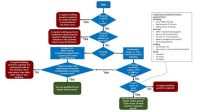
Most projects run through DPP building permits, but older homes may include additional steps:
1) DPP building permit review (baseline)
This is the standard building code, planning, zoning, and site compliance review—setbacks, height, lot coverage, parking, drainage, etc. For historic areas, zoning checks may also reflect Honolulu historic district regulations and the zoning requirements for historic districts Honolulu.
2) Honolulu Landmarks Commission certificate of appropriateness (when triggered)
If your property is a designated landmark or in a regulated historic area, you may need a Honolulu Landmarks Commission certificate of appropriateness (often called a COA). This is typically required for exterior alterations that impact the property’s historic character.
A COA review commonly looks at:
- Whether the change is compatible in scale, massing, and rhythm
- Visibility from the street
- Reversibility of alterations
- Material authenticity (or high-quality substitutes)
Action tip: Treat the COA like a design review, not a building code check. Bring clear elevations, material samples, and photos of nearby context.
3) Hawaii State Historic Preservation Division review process (when applicable)
Some projects intersect with the Hawaii State Historic Preservation Division review process, especially if:
- State land, state funding, or state permits are involved
- Federal funding/permits are involved (which can trigger federal preservation review frameworks)
- Archaeological sensitivity is present (ground disturbance can be a major trigger)
For owners, this often becomes relevant during additions, grading, new foundations, or major site work. Even if your structure isn’t designated, the site may have cultural/archaeological considerations.
A homeowner’s guide: how to restore a historic home in Honolulu (without getting stuck)
If you’re searching how to restore a historic home in Honolulu, focus on sequencing. Many permit headaches come from doing tasks out of order.
Step 1: Document existing conditions (before you “clean up”)
Create a quick record:
- Current photos of every façade
- Close-ups of windows, doors, trim profiles, foundations
- A simple sketch plan with dimensions
- Notes on non-original alterations
This helps you justify what is original and what is later, and supports faster decisions during review.
Step 2: Define “rehab” vs “addition” vs “replacement”
Historic reviews tend to be most supportive when you:
- Repair rather than replace
- Replace in kind when repair is impossible
- Make additions readable but compatible (not copy-cat, not jarring)
Step 3: Pre-application meeting mindset
Even if you don’t get a formal meeting, prepare like one:
- What is changing on the exterior?
- What is visible from the street?
- Are you altering rooflines or window openings?
- Are you proposing demolition of any portion?
This is where historic preservation vs redevelopment Honolulu becomes real: reviewers generally accept modernization, but they resist changes that erase defining character.
Historic building rules that commonly affect older Honolulu homes
Below are the friction points that show up most often:
Windows and doors
Original wood windows are a major character-defining feature. A common mistake is ordering replacements before approvals.
Good approaches:
- Repair sash, cords, and glazing where possible
- If replacement is necessary, match profile, muntin pattern, and proportions
- Choose high-quality materials appropriate for coastal conditions
This ties directly to best materials for historic home repairs Hawaii—salt air, sun, and heavy rain demand durable coatings, corrosion-resistant fasteners, and moisture-smart assemblies.
Roof form and visible materials
Even if you upgrade roofing, keep:
- Historic roof pitch and overhang depth
- Fascia and rafter tail profiles (if character-defining)
- Compatible visible finishes
Siding, trim, and paint
For wood homes, “maintenance” can become “alteration” if you change the reveal pattern, corner boards, or texture.
Tips:
- Patch with matching species/grade when feasible
- Avoid faux textures that read “new” at the street
- Use paint systems suited for tropical UV exposure and moisture cycling
Additions and second stories
Additions are often approved when they:
- Are set back from the primary façade
- Keep the original front volume legible
- Respect neighborhood scale and spacing
- Preserve the rhythm of porch lines and window patterns
Site changes and archaeology triggers
Decks, retaining walls, new footings, and grading can trigger archaeological review in sensitive areas, which can bring the Hawaii State Historic Preservation Division review process into play.
Demolition: restrictions, risk, and smarter alternatives
Owners sometimes assume demolition is simpler than restoration. In older neighborhoods, it can be the opposite—especially with demolition restrictions for historic structures Honolulu and community scrutiny.
Before you pursue full or partial demolition, consider alternatives to demolition for older buildings Honolulu, such as:
- Structural stabilization + phased renovation
- Selective deconstruction (salvage) instead of total removal
- Adaptive reuse (convert layout, retain shell)
- Relocating non-original rear additions while preserving the primary historic volume
This is where historic preservation vs redevelopment Honolulu becomes a strategic decision: redevelopment may maximize new square footage, but preservation often improves entitlement certainty and neighborhood support—especially when done with compatible additions.
Adaptive reuse rules for historic buildings Honolulu (small-scale examples)
“Adaptive reuse” isn’t only for warehouses and commercial buildings. For homes, it can mean:
- Converting a large single-family home into multi-generational living (where allowed)
- Creating a home office or small studio space while retaining exterior character
- Reworking interior circulation without changing window openings
If you’re exploring adaptive reuse rules for historic buildings Honolulu, your best leverage is to keep exterior-defining features intact while updating interiors for modern life, energy performance, and resilience.
Oahu heritage building renovation permits: what to prepare
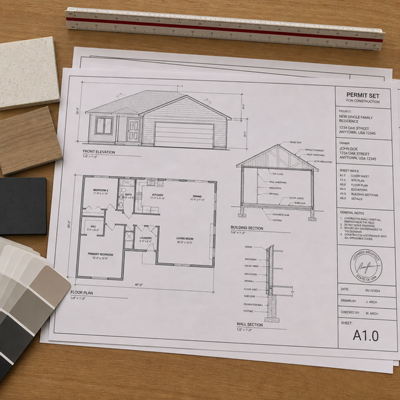
If you’re dealing with Oahu heritage building renovation permits, permit readiness is about clarity. Submit a package that makes it easy for reviewers to say “yes.”
Include:
- Existing and proposed elevations (especially street-facing)
- A window/door schedule noting what is repaired vs replaced
- Material specs (siding, roofing, trim, railings)
- Color palette (if relevant to district guidance)
- Site plan showing setbacks and any grading
- Photo key referencing each elevation
Action tip: Add a one-page “Preservation Intent” sheet: what you’re preserving, what you’re changing, and why the design remains compatible. This reduces back-and-forth.
Historic preservation tax credits Hawaii: can homeowners benefit?
People frequently ask about historic preservation tax credits Hawaii. Incentives can exist at federal and/or state levels depending on designation, eligibility, and project type (and some programs historically focus on income-producing properties rather than personal residences).
What you should do:
- Confirm whether the building is listed/eligible under the relevant program
- Verify whether your intended use (owner-occupied vs rental) qualifies
- Budget for documentation: before photos, scope narratives, and “qualified” cost tracking
Because credit rules can be technical, consult a Hawaii-based tax professional and preservation consultant early—before construction begins—so you don’t do work that becomes ineligible.
Common mistakes in historic renovation permits Honolulu (and how to avoid them)
These are the permit pitfalls that cost the most time and money:
- Replacing windows/doors first, asking later Fix: Get conceptual approval before ordering long-lead items.
- Changing the front façade “just a little” Fix: Keep the street-facing composition intact—porch, openings, trim rhythm.
- Submitting drawings that don’t match existing conditions Fix: Measure and photograph; don’t rely on real estate listings or assumptions.
- Using incompatible modern materials Fix: Choose durable, visually compatible products; document why they perform well in Hawaii’s climate (supports best materials for historic home repairs Hawaii decisions).
- Underestimating review time Fix: Plan for iterative comments, especially when a Honolulu Landmarks Commission certificate of appropriateness is required or when SHPD review is triggered.
Quick compliance checklist before you finalize design
Use this final check to keep your project aligned with honolulu historic preservation guidelines and DPP expectations:
- [ ] Confirm designation, overlays, and where to find Honolulu historic property maps for your parcel
- [ ] Identify whether a Honolulu Landmarks Commission certificate of appropriateness is required
- [ ] Flag ground-disturbing scope that may trigger the Hawaii State Historic Preservation Division review process
- [ ] Verify zoning requirements for historic districts Honolulu (setbacks, height, lot coverage)
- [ ] Choose compatible assemblies and finishes (best materials for historic home repairs Hawaii)
- [ ] If demolition is contemplated, evaluate alternatives to demolition for older buildings Honolulu first
Takeaway: preserve character, document decisions, and sequence approvals
The best results come from treating preservation as a design advantage, not a constraint. Respect the street-facing character, keep your documentation tight, and align early with DPP plus any landmark/district reviews. Done well, you’ll protect value, reduce permit risk, and end up with a home that feels authentically Honolulu—updated for modern life without losing its story.