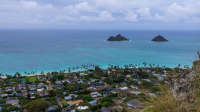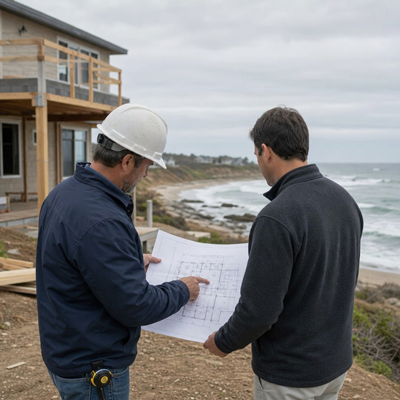
Oahu’s coastline is heavily regulated for a reason: it’s valuable, vulnerable, and constantly changing. If your project is near the shore—or even just within the legally mapped coastal zone—you may need a Special Management Area (SMA) permit before you can move forward with design, financing, or construction. This guide breaks down Special Management Area (SMA) Permits in Oahu: DPP Requirements in plain English, including what triggers SMA review, how Honolulu’s Department of Planning and Permitting (DPP) processes applications, and how to avoid the most common delays and denials.
What Is an SMA Permit (and Why It Matters on Oahu)?
An SMA permit is a land-use approval required for many projects inside the Special Management Area—a coastal zone established under coastal zone management Hawaii compliance rules. On Oahu, the City and County of Honolulu administers SMA review through DPP.
Think of the SMA process as a “coastal impact filter.” DPP evaluates whether a project could affect:
- Coastal resources (sand, dunes, reef systems, vegetation)
- Public shoreline access
- Scenic and recreational values
- Drainage, erosion, and flooding patterns
- Cultural and archaeological resources
This is separate from—and often earlier than—other oahu permits like grading, stockpiling, or building permits.
SMA permit vs building permit: the practical difference
A common misconception is that SMA is just another checkbox in a building permit package. In reality:
- SMA permit vs building permit: SMA is a planning/land-use approval; a building permit is a construction authorization based on building codes.
- Many projects cannot receive a building permit until SMA is approved.
- SMA review can alter site planning (setbacks, drainage approach, landscaping, access), so it’s risky to finalize construction drawings before you know your SMA outcome.
Where the SMA Applies: Mapping and Boundaries
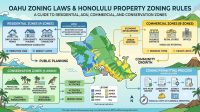
Oahu’s SMA boundaries are mapped and enforced by DPP. Some properties are fully inside the SMA; others partially. Being “near the ocean” is not the only trigger—some inland areas still fall within SMA boundaries.
Action tip: Before you spend heavily on design, verify:
- Your Tax Map Key (TMK)
- Whether the parcel is within the SMA boundary
- Whether any shoreline certification or setback lines apply
This early check helps you predict the SMA permit approval timeline and required documentation.
What Triggers SMA Permit? (Common Project Types)
Many applicants ask: what triggers SMA permit review? On Oahu, triggers commonly include new construction, major additions, grading, and changes in use within the SMA.
Typical examples that may trigger special management area permits oahu include:
- New single-family home or teardown/rebuild
- Additions that increase floor area or intensify use
- Pools, retaining walls, lanais, decks, and significant hardscape
- Subdivision, CPRs, and certain lot line adjustments
- Commercial remodels that expand intensity (parking, seating, occupancy)
- Shoreline protection or work near the shore (often requires additional state/federal permits too)
Even “small” projects can trigger review depending on scope, location, and environmental context.
Not the same as special use permits
People often mix SMA approvals with special use permits. They are different tools:
- SMA: coastal zone impacts inside the SMA boundary
- Special use permit: usually tied to zoning/State Land Use District constraints (e.g., Agricultural District uses)
A project can require both, but one does not replace the other.
SMA Minor Permit Requirements vs SMA Major Permit Public Hearing
DPP generally processes SMA permits in two buckets: minor and major. Understanding the difference is crucial for schedule, budget, and public process expectations.
SMA minor permit requirements (typical)
A minor permit is intended for projects with limited or no significant coastal impacts. While thresholds vary by rule and interpretation, DPP typically expects a clear demonstration that the project:
- Does not have substantial adverse environmental or coastal effects
- Fits within the neighborhood context
- Maintains access and minimizes shoreline impacts
- Complies with applicable setbacks and hazard considerations
Practical reality: “Minor” does not mean “simple.” If your plans are incomplete, your drainage story is weak, or shoreline issues are unclear, minor permits can still take time.
SMA major permit public hearing: what changes
A major permit involves a more formal review and typically includes a public hearing (and greater exposure to community feedback). For a major permit, you should plan for:
- A longer timeline
- More documentation (studies, narrative analysis, exhibits)
- Clear, defensible findings addressing coastal impacts
- Public testimony and agency comments
If your project could be controversial (size, height perception, shoreline adjacency, access concerns), assume you’ll need a stronger record even if you’re pursuing a “minor” pathway.
Shoreline Setback Rules Oahu: The Issue That Derails Projects
One of the biggest SMA pitfalls is misunderstanding shoreline setback rules Oahu. “Shoreline” is a legal line determined through a shoreline certification process—not simply where the water appears on a given day.
Setback considerations commonly include:
- Certified shoreline location
- Erosion rate (in some contexts)
- Coastal hazards and flood zones
- Existing vs proposed structures (nonconforming issues)
- Accessory structures and hardscape near the shore
Action tip: If your design is tight to the shoreline, consider getting coastal planning input early. Late-stage redesigns are one of the biggest drivers of cost overruns in the Oahu SMA permit application process.
Environmental Review: SMA Exemption, EA, and When to Worry
Applicants also ask about environmental review SMA exemption. On Oahu, some projects may qualify for an exemption from environmental review, while others may require an Environmental Assessment (EA) or more.
Key points:
- SMA approval and environmental review are related but not identical.
- DPP will look for environmental impacts, and other agencies may have separate requirements.
- Even if an exemption is possible, you still need a credible explanation of why impacts are minimal.
Action tip: If your project involves shoreline work, significant grading, habitat concerns, or cultural sites, plan for deeper analysis and more coordination.
Honolulu DPP SMA Checklist: What You’ll Typically Need
While submittal requirements vary with project type and DPP direction, a strong package for the Honolulu DPP SMA checklist mindset usually includes:
Core application components
- Completed SMA application forms
- Owner authorization letter (if applicant/agent is not the owner)
- Project description and scope narrative
- Plans: site plan, floor plans, elevations, sections
- Location maps and photos
- Zoning and setback summary table
Coastal and site impact documentation (as needed)
- Grading and drainage concept
- Landscape plan (especially for stabilization and runoff mitigation)
- Shoreline certification references (if applicable)
- Flood/hazard zone exhibits
- Construction management notes (access, staging, erosion control)
- Any supporting technical reports requested by DPP
Best practice: Write your narrative to answer “why this won’t harm coastal resources,” not just “what we’re building.”
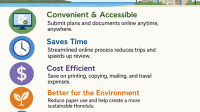
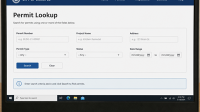
DPP ePlans Submission Guide: How to Avoid Digital Rejections
Honolulu DPP often uses electronic plan review workflows. A clean digital submittal reduces rejections and resubmittal cycles.
Use this DPP ePlans submission guide approach:
- Confirm accepted file formats, naming conventions, and sheet indexing
- Ensure all drawings are legible at required scales
- Keep plan sets consistent (matching dates, revision clouds, clear versioning)
- Upload supporting documents in organized folders (studies, photos, narratives)
- Double-check signatures/seals if your design team must stamp drawings
Action tip: Treat your upload like a “court exhibit.” If reviewers can’t find or read something quickly, they’ll issue comments—and your clock stretches.
SMA Permit Fees Honolulu: What to Budget For
Budgeting only for design drawings is a common mistake. SMA permit fees Honolulu can include:
- Application fees (vary by permit type)
- Public noticing costs (often relevant for major permits)
- Consultant costs (planning, coastal, environmental, surveying)
- Potential shoreline certification or supporting study costs
Because projects differ widely, your best move is to request a realistic fee scenario during early project planning and confirm the latest fee schedule with DPP when you’re ready to file.
How to Get SMA Permit: A Step-by-Step Process That Actually Works
If you’re searching how to get SMA permit approval efficiently, focus on sequencing and clarity.
1) Confirm SMA applicability and constraints early
- Verify SMA boundary
- Identify shoreline/setback constraints
- Identify likely permit type (minor vs major)
2) Pre-plan for reviewer questions
Before you submit, be ready to answer:
- How does the project manage runoff and erosion?
- Does it affect shoreline access or views?
- Are there alternatives that reduce impacts?
- Is the project consistent with shoreline hazard realities?
3) Build a “review-proof” narrative
A good narrative:
- Describes existing conditions
- Explains the proposed work clearly
- Identifies potential impacts honestly
- Lists mitigation measures (drainage controls, landscaping, staging limits)
- Connects the project back to SMA objectives
4) Submit, respond, and track cycles
- Submit via ePlans or required method
- Respond to comments quickly and thoroughly
- Keep revisions organized and consistent
5) Prepare for public process (if major)
If it’s a major permit, prepare presentation boards, a concise impact story, and a plan for handling testimony.
SMA Permit Approval Timeline: What to Expect (and What Slows It Down)
There is no single guaranteed SMA permit approval timeline, but you can predict your range based on project complexity and whether a hearing is required.
What typically slows approvals:
- Incomplete applications (missing exhibits, unclear scope)
- Setback/shoreline uncertainty
- Weak drainage/erosion strategy
- Inconsistent plan sets across uploads
- Late scope changes after review begins
- Underestimating public concerns for major permits
Action tip: Schedule discipline matters. The fastest projects are the ones that avoid “surprise complexity” through early due diligence.
Special Management Area Permits Oahu: Common Denial Reasons (and How to Fix Them)
A denial is not always the end—but it can be expensive. If you’re trying to fix SMA permit denial, start by identifying the true basis:
- Coastal impact findings not supported
- Public access concerns
- Excessive shoreline adjacency or hazard exposure
- Poor mitigation measures
- Inconsistency with SMA objectives or area character
How to respond effectively:
- Request clarification: what specific findings weren’t met?
- Revise the design to reduce impacts (not just re-argue)
- Add technical support (drainage memo, geotech input, coastal analysis)
- Improve construction management commitments (staging, BMPs, timing limits)
- Document alternatives considered and why your approach is least impactful
Pro tip: A well-structured resubmittal that directly addresses findings performs better than a defensive narrative.
Choosing Help: Best Consultant for SMA Permit (What “Best” Really Means)
There isn’t one universally best consultant for SMA permit—the best fit depends on your project’s risk profile. For many applicants, the right team includes:
- A land-use planner familiar with DPP expectations
- A surveyor/coastal specialist if shoreline lines are in play
- A civil engineer for grading/drainage credibility
- Environmental support if habitat or cultural resources are sensitive
How to vet:
- Ask for examples of similar Oahu SMA approvals (minor and major)
- Confirm they can write the SMA narrative (not just draw plans)
- Confirm they understand DPP submittal workflows and can manage comment cycles
Final Takeaway
SMA review on Oahu is manageable when you treat it as a coastal impact case—not just a permit form. Start by confirming what triggers SMA permit, decide early whether you’re facing SMA minor permit requirements or an SMA major permit public hearing, and build a submittal that aligns with the Honolulu DPP SMA checklist. If you plan for shoreline setback rules Oahu, environmental review SMA exemption considerations, and a realistic SMA permit approval timeline (including SMA permit fees Honolulu), you’ll avoid the most common traps and move from concept to approval with far fewer surprises.